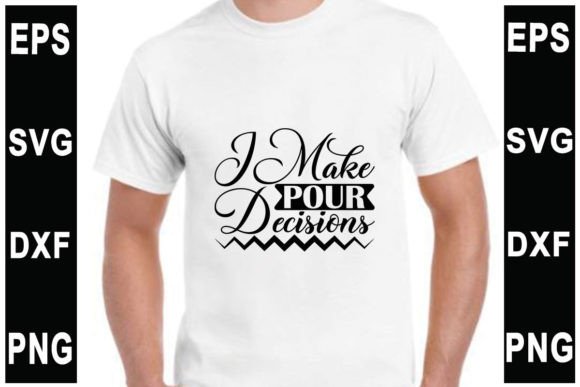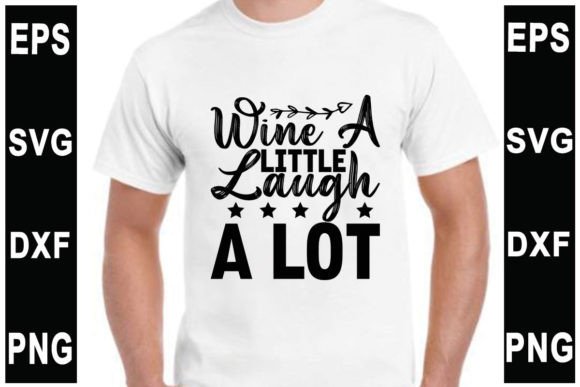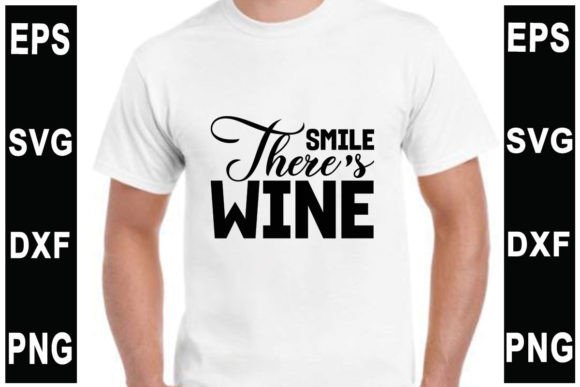
Tumbler SVG Graphics & Wine T-Shirt Designs Review
First Impression From a Brand Designer's Desk
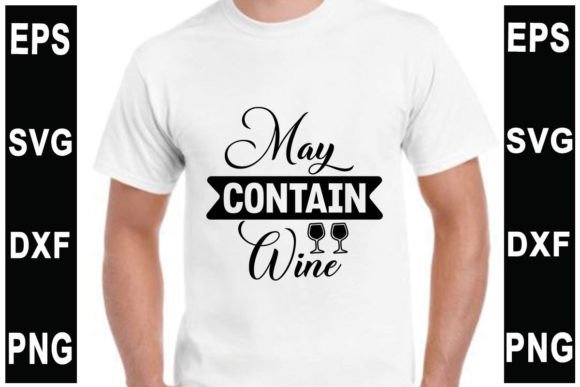
I pulled up the Tumbler Svg Design, May Contain Wine asset this morning while working on a branding refresh for a local gift boutique that specializes in personalized drinkware and wine accessories. The client needed something playful but not childish, cheeky but still giftable. This design landed in the sweet spot immediately. The lettering carries a comfortable, hand-lettered energy that feels warm and unpretentious. It does not try too hard to be clever, and that restraint is exactly what makes it versatile across real small business branding applications.
The phrase itself, "May Contain Wine," has become a familiar wink among wine-loving audiences, but the execution here matters more than the sentiment. The typography reads clearly at a glance, and the composition leaves breathing room for placement on curved tumbler surfaces, flat label sheets, and product mockup templates. From a visual hierarchy standpoint, the message dominates without shouting, which is a rare balance in this category of graphic design asset work.
What Brand Personality This Design Suggests
When I evaluate any SVG design for client work, I ask what brand personality it projects before I ever place it on a product label. This particular asset leans into a friendly, conversational tone. It would feel at home in a rustic wine bar, a coastal gift shop, a boutique subscription box, or a small-batch candle studio. The mood is casual and slightly humorous, but the letterforms are clean enough to sit alongside more polished brand identity elements without clashing.
I would describe the personality as approachable, lightly festive, and rooted in everyday luxury. It does not signal high-end exclusivity or formal corporate polish, and that is precisely its strength. For a local business trying to build genuine connection with customers, this kind of modern design asset performs better than overly refined alternatives. It suggests the brand understands its audience and does not take itself too seriously.
Finding the Right Business Fit for This Asset
Not every design asset fits every brand, and honest evaluation saves time and money. I tested the Tumbler Svg Design, May Contain Wine across several mock scenarios to understand where it adds real value versus where it might feel forced or out of place.
Where the Design Performs Beautifully
This asset shines brightest on packaging design elements for wine-adjacent products. Think insulated tumbler boxes, stemless wine glass packaging, bottle tote bag inserts, and coaster sets. It also works exceptionally well on product labels for handmade candles, artisanal soap bars, and small-batch food items where the "May Contain Wine" phrase adds a playful layer of brand storytelling. I can see it used effectively on hang tags for boutique clothing, on thank-you cards tucked into shipped orders, and as a decorative accent on social media graphics promoting seasonal sales or holiday gift guides.
For printable design projects, the clean vector structure makes it easy to scale for wine bottle neck tags, table tent cards at tasting events, or even subtle placement on business cards for winery-adjacent businesses. The PNG design version with transparency handles quick digital placements nicely, which is helpful for marketing visuals and web design headers.
Where I Would Exercise Caution
I would avoid placing this asset on ingredient-heavy packaging where the playful tone could undermine important product information. It is not the right choice for formal corporate branding, law firm promotional materials, or luxury minimalist brands that rely on extreme restraint. On very small labels, the lettering detail could become difficult to read, so I always recommend testing at actual print size before committing. If your brand identity leans heavily on clinical precision or serious authority, this asset will feel like a mismatch rather than a charming contrast.
Packaging Design Applications That Elevate the Product
In my studio, I tested the Tumbler Svg Design, May Contain Wine on several product mockup templates to verify how it behaves under real-world conditions. The results were consistently strong. On a white matte tumbler box, the design created instant shelf appeal without competing with the brand logo. On kraft paper labels, the contrast held up nicely, and the slightly playful tone softened the rustic texture in a way that felt intentional rather than haphazard.
For small business branding projects where the packaging is the first physical touchpoint with a customer, this kind of illustration-style asset can transform a plain container into a memorable unboxing experience. I placed it on candle jar lids, on the belly band of a soap box, and on the front panel of a wine bottle gift bag. Each application felt natural and commercially viable. The design does not demand to be the hero every time; it works equally well as a supporting decorative element that reinforces the brand voice.
Social Media and Promotional Visuals
Beyond physical packaging, the social media graphics potential here is substantial. Local businesses often struggle to maintain visual consistency across Instagram posts, Facebook ads, and email headers. A recognizable graphic design asset like this can anchor a campaign. I used it as a recurring badge element in a holiday gift guide series, and it gave the entire feed a cohesive, editorial rhythm. The PNG design file made it easy to overlay on product photography without tedious background removal.
For marketing visuals tied to wine-themed events, book clubs, or girls' night promotions, this asset carries immediate recognition. It signals the content tone before the viewer reads a single caption. That kind of visual shorthand is valuable for local business owners who need their digital product promotions to connect quickly in crowded feeds.
Technical File Quality and Designer Editability
Opening the ZIP file, I found the expected formats: EPS, SVG, PNG, and DXF. The SVG design opened cleanly in Adobe Illustrator with well-organized layers and no unnecessary clipping masks or stray points. For a brand designer who needs to recolor, rescale, or slightly modify the artwork, this is a practical advantage. The EPS file behaved identically, which matters for print production workflows where vector integrity is non-negotiable.
The DXF file is a welcome inclusion for businesses that use cutting machines for vinyl decals or heat transfer applications. I tested it with a desktop cutter and the paths translated smoothly, producing a clean weeding experience. The PNG file offered crisp transparency at 300 DPI, suitable for Canva template use or quick digital mockups without requiring vector software.
I did notice the lettering connections are slightly delicate in the thinnest stroke areas, so I recommend testing a sample cut on your specific material before running a full production batch. This is standard practice, not a flaw, but worth mentioning for anyone new to working with design assets in a production environment.
Typography Pairing and Brand System Integration
One of my practical tests involved pairing the Tumbler Svg Design, May Contain Wine with various font families to see how flexibly it integrates into a broader brand identity system. The hand-lettered style of the asset played nicely with clean sans serif fonts like Montserrat and Open Sans, creating a balanced contrast between organic warmth and structured clarity. Pairing it with a serif font like Playfair Display elevated the overall feel toward a more editorial, boutique aesthetic, which worked beautifully for gift packaging aimed at a slightly higher price point.
When I tested it beside a script font, the result felt overly busy, and I would generally avoid that combination unless the script is used sparingly and at a much smaller scale. A handwritten font pairing also risked visual redundancy. The strongest results came from letting this asset carry the personality while supporting it with restrained, legible typography for product names, descriptions, and contact information.
Building Customer Trust Through Visual Consistency
Small business owners often underestimate how much professional branding influences customer trust. When a product arrives with a cohesive label, a thoughtful insert card, and packaging that feels intentional, the customer perceives higher value. This Tumbler Svg Design, May Contain Wine asset contributes to that perception by adding a finished, designed quality to otherwise plain surfaces. I have watched clients increase their perceived product value simply by replacing generic sticker labels with well-placed graphic design elements that signal care and personality.
For handmade business owners selling at markets or through online platforms, the difference between a bare product and one enhanced with thoughtful packaging design details can directly impact conversion rates and repeat purchases. This asset costs far less than commissioning custom artwork, yet it delivers a polished result when applied strategically within a consistent brand identity framework.
Commercial Licensing and Practical Usage Boundaries
Before using any digital product from a creative marketplace for client work or physical product sales, I always verify the commercial license terms. Most standard licenses allow use on physical products for sale, but some restrict the number of units or require extended licensing for mass production. I recommend reading the specific license attached to this purchase and keeping a copy in your project files. If you plan to use the Tumbler Svg Design, May Contain Wine across multiple client projects or on high-volume merchandise, confirm that your license covers those scenarios.
For commercial design work where the asset becomes part of a client's logo design or core brand identity, trademark considerations may apply. In most cases, using this type of artwork as a decorative packaging element or promotional graphic is straightforward, but embedding it into a trademarked logo requires additional diligence.
Final Practical Recommendations for Local Business Owners
After testing this clipart-style asset across multiple mockups and real-world scenarios, I can confidently recommend it for product-based businesses seeking approachable, wine-themed graphic design elements. It works best when treated as a supporting brand voice rather than the sole visual identity. Pair it with clean typography, test it on actual packaging mockups, and verify print quality at production size before committing to a large run. Check the SVG design editability if you need to adjust colors for your brand palette, and always preview the design on both light and dark backgrounds to understand contrast behavior.
For T-Shirt Designs and apparel applications, the asset transfers cleanly and reads well at standard chest placement sizes. The humor lands without being overly niche, making it suitable for gift shop merchandise, bachelorette party apparel, or casual wine club wear. In the broader category of Graphics available for small business branding, this one earns its place through versatility, clean execution, and genuine commercial usefulness.