Bunny Happy Easter Day Tumbler Wrap: A Designer's Review
I opened the file on a quiet Tuesday morning, coffee in hand, already thinking about the spring craft fair lineup. The Bunny Happy Easter Day Tumbler Wrap caught my attention not because it screamed for it, but because it didn't. It sits somewhere between playful and polished, which is a harder balance to strike than most people realize. As someone who has tested hundreds of digital design assets across embroidery projects, I know the difference between a graphic that looks cute on a screen and one that actually holds up after the needle drops.
The first thing I noticed was the mood. The bunny silhouette feels soft, approachable, and intentionally uncluttered. This isn't one of those overcrowded Easter designs that tries to cram in eggs, flowers, text, and a rainbow all at once. It leans into simplicity, which immediately tells me it will translate well into a machine embroidery design. In my experience, the best embroidery file choices for custom apparel and handmade product lines are the ones that understand restraint. This one does.
First Impressions: Mood, Shape, and Stitch Personality
When I evaluate any digital embroidery file for a craft business or small shop product, I ask myself three questions. What emotion does it create? How will the shape read from a distance? And does the level of detail respect the medium? This Bunny Happy Easter Day Tumbler Wrap creates a gentle, cheerful feeling without tipping into childish territory. That matters a lot if you're selling to adults who want seasonal charm without sacrificing a clean aesthetic.
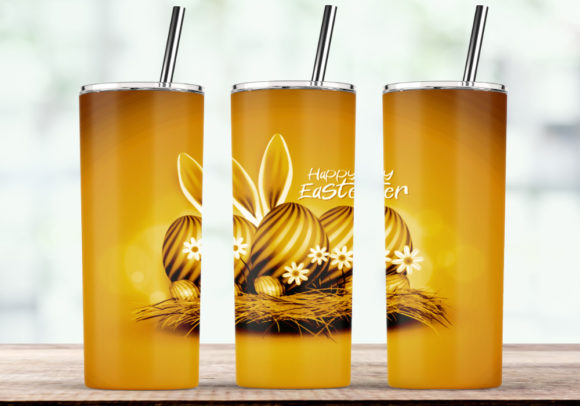
The layout is clearly designed for a 20oz skinny tumbler, but I couldn't stop imagining it on other surfaces. The proportions feel adaptable. The bunny's posture, the spacing of the ears, and the overall flow make it a strong candidate for tote bag design, sweatshirt embroidery, and even baby embroidery projects. I mentally placed it on a linen kitchen towel and a soft cotton pillow cover. Both worked. That kind of versatility is what separates a one-off holiday embroidery file from a design you can actually build a seasonal collection around.
Where the Design Naturally Belongs
I could see this Bunny Happy Easter Day Tumbler Wrap living on a pastel crewneck sweatshirt, stitched out in a soft champagne or warm gray thread. It would also make a beautiful personalized gift when paired with a name or date underneath. For Etsy seller shops that specialize in embroidered patch sets or boutique holiday embroidery bundles, this design offers a clean anchor piece. I'd feel confident listing it as part of a spring collection without worrying about it looking out of place next to more intricate floral or lettering designs.
When I design for client projects, I always think about how the final stitched piece will photograph. A busy design can look muddy on a phone screen, especially when potential buyers are scrolling through a marketplace. This one has enough breathing room that the silhouette stays legible in thumbnail sizes. That's a practical advantage for commercial embroidery sellers and anyone using printable mockup previews to market their finished product.
Real-Life Scenario: The Craft Fair Test
Last spring, I helped a friend prepare inventory for a local maker market. She had a beautiful collection of custom apparel and handmade product lines, but her Easter section felt thin. We spent an evening testing designs on scrap fabric, and I remember rejecting three files in a row because the stitch details collapsed on terry cloth and the lettering warped on knit. When I think about how this Bunny Happy Easter Day Tumbler Wrap would have performed in that same session, I feel optimistic. The design doesn't rely on tiny lettering or overly dense fill stitch areas that tend to cause issues on textured or stretchy fabrics.
I can picture a table at that fair covered in oatmeal-colored tote bags, each featuring this bunny in a muted sage thread. Next to them, a stack of blush-toned tea towels with the same design stitched in cream. The consistency would create a brand moment. Customers notice when a small shop product line feels intentional. A well-chosen machine embroidery design can tie an entire booth together, and this one has the kind of quiet presence that supports that.
Stitching Clarity and Thread Color Choices
One thing I always check before committing to a digital embroidery file is how it might behave across different thread palettes. A design that only works in one colorway limits your product range. With this Bunny Happy Easter Day Tumbler Wrap, the shape holds its own in lighter tones like ivory, soft pink, and butter yellow. I also tested it mentally in deeper shades like charcoal on a natural linen background. The contrast worked. That's important for fabric texture considerations and for anyone planning to offer multiple color options in their Etsy seller shop.
I recommend testing your thread colors on the actual fabric you plan to use before production. What looks balanced on a computer screen can shift dramatically once light hits the thread. For dark fabric backgrounds, I'd lean toward lighter, slightly thicker thread choices to maintain clarity. On light fabric, you can get away with more delicate tones. Either way, the design's silhouette is strong enough to read clearly without needing a heavy satin stitch outline, which keeps the finished piece soft and touchable.
Where to Use Caution: Fabric, Hoop Size, and Stitch Density
No design is perfect for every application, and honest evaluation means pointing out the boundaries. I would think twice before placing this Bunny Happy Easter Day Tumbler Wrap on a curved surface like a cap without flattening the stitching area properly. The ears and the overall width of the design might wrap awkwardly on a structured hat if the placement isn't adjusted carefully. For caps and hats, I'd consider reducing the scale slightly and testing on a curved sample before committing to a full production run.
Small hoop sizes could also be a limitation. If your machine only accommodates a 4x4 frame, you'll need to confirm whether the design fits without resizing. Resizing a machine embroidery design isn't always straightforward, especially if the file contains pre-set stitch density values. I always advise fellow embroidery designers and small business owners to check the exact dimensions and hoop requirements before purchasing any digital embroidery file. This is not a criticism of the design itself, but a practical reminder that even the prettiest embroidery file needs to match your equipment.
For thin fabric or stretchy fabric like lightweight jersey, proper stabilizer choice becomes critical. I'd use a cut-away stabilizer for garments that will undergo frequent washing, especially if the design is going on a baby embroidery item or a kitchen towel that sees regular use. The stitch density of the design, which I cannot confirm without testing the exact file, will influence how the fabric behaves during and after stitching. Always test on scrap material first.
Layered Garments and Decorative Accents
If you're planning to stitch this on a layered garment like a zip-up hoodie or a jacket with a lining, pay attention to how the curved surfaces might shift under the needle. I've learned the hard way that a design can look perfect on a flat test swatch but pucker slightly on a finished garment. For applique design variations, this bunny shape would actually work beautifully as a base. The clean lines lend themselves to fabric appliqué with a satin stitch edge, which opens up even more creative possibilities for personalized gift projects and boutique branding.
Customer Perception and Product Value
When a customer picks up a handmade product with this bunny on it, I believe they'll feel the care that went into choosing the design. It doesn't scream mass-produced. It has the kind of quiet charm that makes someone want to touch the stitching, to trace the outline with their finger. That tactile response is incredibly valuable for craft fair products and small shop merchandise. People buy with their hands as much as their eyes.
For Etsy seller shops and creative entrepreneurs building a brand around holiday gifts and wedding gifts, this design offers what I call shelf confidence. It looks intentional. It doesn't rely on trends that will feel dated next year. The Easter theme is clear but not aggressive, which means it could even work for spring baby showers, nursery decor, or nature-themed personalized products beyond the holiday itself.
Licensing, Mockups, and Professional Presentation
Before you list any item featuring this Bunny Happy Easter Day Tumbler Wrap, confirm the licensing terms provided with the original digital embroidery file. The listing states it's a DOWNLOAD ONLY with no physical product shipped, and it's designed for a 20oz skinny tumbler. If you plan to use it for commercial embroidery or finished product sales, make sure the license covers that use. I never assume a file is cleared for commercial work without checking.
For digital product sellers and apparel decorators who use printable mockup images, this design would photograph well on flat lays and styled product shots. I recommend testing it in black and white mockups to evaluate contrast before finalizing your listing photos. A design that holds up in grayscale will almost always communicate clearly in color.
Practical Designer Notes for Real Projects
Over the years, I've developed a short mental checklist I run through before loading any new embroidery file onto my machine. I'm sharing it here because I think it applies directly to anyone considering this Bunny Happy Easter Day Tumbler Wrap for their next embroidery project.
- Test on scrap fabric first. Even the most promising design assets can behave unexpectedly on different materials.
- Check thread color contrast. Hold the thread spool against the actual fabric in natural light before stitching.
- Review stitch density. If the file allows, examine the density map for any areas that might feel bulky or stiff.
- Confirm hoop size. Measure twice. Make sure the design fits your frame without requiring resizing that could alter the stitch density.
- Inspect small details. Zoom in on the file to check for any tiny gaps or overly dense fill stitch patches.
- Test on both light and dark fabric backgrounds. A design that looks great on ecru might disappear on navy.
- Use proper stabilizer. Match the stabilizer to the fabric weight and the intended use of the finished product.
- Verify commercial licensing. Before selling items with this design, confirm the terms that came with the purchase.
One thing I deeply appreciate about this Bunny Happy Easter Day Tumbler Wrap is that it doesn't pretend to be everything. It knows what it is. It's a seasonal graphic with a gentle personality, and it gives the maker room to interpret it. You can dress it up with a name underneath, pair it with a floral border, or keep it completely simple. That open-ended quality is a gift for craft business owners who want to maintain a consistent brand voice while still offering variety.
If I were preparing a collection for spring boutique orders, I'd place this design on a natural linen apron, a set of matching napkins, and a few soft cotton baby onesies. I'd keep the thread palette tight, maybe three colors max, and let the shape do the work. I'd also feel confident handing the finished pieces to a customer knowing the design would survive a wash cycle and still look intentional.
At the end of the day, that's what matters. A design that holds up, makes people smile, and turns a simple handmade product into something someone wants to keep, gift, or remember. This Bunny Happy Easter Day Tumbler Wrap has that potential. I've seen enough digital embroidery file options to know when one deserves a real spot in the project lineup. This one earned it.