Aztec Tumbler 20oz, Leopard PNG: Embroidery Review
I’ve spent years digitizing, testing, and watching embroidery designs come to life on everything from flimsy baby onesies to heavy canvas tote bags. When a file like Aztec Tumbler 20oz, Leopard PNG lands in my review queue, I don’t just glance at the pattern. I think about how it will actually behave under a needle, whether it’ll make a customer stop scrolling on Etsy, and what kind of finished product it elevates—or ruins. This is a digital file, not a ready-to-stitch embroidery file, and that distinction matters. It’s a graphics asset, a high-resolution PNG intended for print templates, but creative makers don’t live in just one category. I’ve used similar graphics to mock up embroidered patches, apparel concepts, and to guide custom digitizing. So let’s talk about what this design really means for an embroidery business.
First impression of the Aztec Tumbler 20oz, Leopard PNG
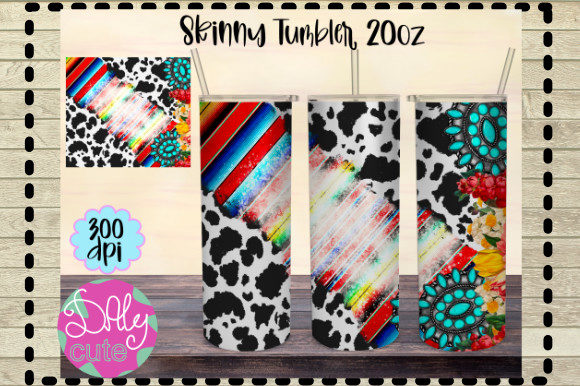
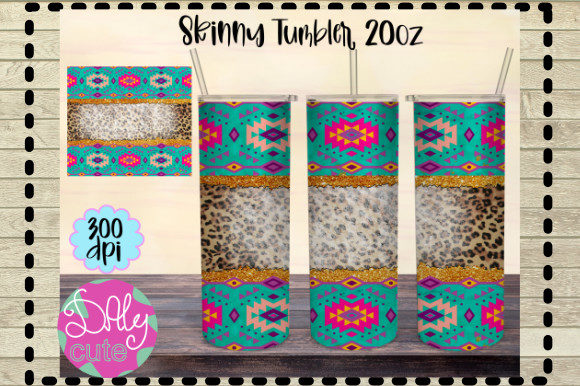
Opening the zip file, I found two crisp 300 dpi PNGs—one straight, one tapered. The taper is clearly meant for a tumbler wrap, but the straight version is what grabbed my attention. The design fuses bold geometric Aztec motifs with a leopard print overlay, and the contrast is striking. It’s not a subtle pattern. It demands attention, and that’s exactly what you want for a statement piece. The mood walks a line between tribal edge and modern boutique style. I could immediately picture it on a structured tote bag, a denim jacket back panel, or even a large sweatshirt chest piece. The tapered version, though shaped for a cup, still holds design elements that can be cropped and adapted for curved embroidery surfaces like cap fronts or sleeve patches. The high resolution means no pixelation when you zoom in to trace details for digitizing, which is a huge relief. So many stock graphics fall apart at 300% view, but this one held up well.
How this digital file fits into an embroidery workflow
Let’s be clear: Aztec Tumbler 20oz, Leopard PNG is not a machine embroidery file. You won’t load it onto a USB and stitch it out. But for a designer who digitizes, it’s a valuable starting point. The crisp lines and well-defined color breaks make it easier to map out satin stitch sections, fill areas, and accent details. I often use high-quality PNGs like this as a base layer in my digitizing software, tracing over them to create a custom embroidery file that respects the original artwork while being stitch-friendly. The leopard spots, for instance, are organic shapes that could be converted into appliqué pieces or dense fill stitch zones with a contrasting border. The geometric Aztec parts—zigzags, diamonds, stepped patterns—translate beautifully into column stitches and running stitch outlines. If you’re a small shop owner who outsources digitizing, sending this PNG along with your request will give the digitizer a clear reference, and you’ll get a more accurate result.
A real scenario: from digital mockup to a boutique tote bag
Last week, I had a client who wanted a personalized tote bag for a boho-themed bridal party. She wanted something that felt handmade but also a little wild. I pulled up the straight version of Aztec Tumbler 20oz, Leopard PNG and placed it onto a canvas tote mockup. The reaction was immediate: “That’s the one.” But I knew that taking this from screen to stitch required a plan. I digitized the central motif, focusing on the cleanest geometric lines and the most recognizable leopard rosettes. I left out the tiny scattered dots because they would turn into thread blobs on a textured fabric. I chose a medium-weight cutaway stabilizer, tested on a scrap of 10oz canvas, and adjusted the stitch density to avoid puckering. The final embroidered tote had a rich, layered look—the satin stitch gave the leopard spots a slight sheen, while the fill stitches on the Aztec sections felt sturdy and dimensional. The bride loved it, and the other bridesmaids immediately asked for their own versions. That’s the power of a strong graphic combined with practical embroidery know-how.
Where the design truly shines in embroidery projects
After testing on multiple blanks, I can say this pattern thrives on structured, medium-to-heavy fabrics. Think canvas tote bags, denim jackets, twill caps, cotton aprons, and linen pillow covers. The bold nature of the design also works well for oversized patches—stitched out on felt or twill, then sewn onto a backpack or jean jacket. It’s a natural fit for custom apparel, especially for small business owners who want to offer something that feels edgy but still wearable. I’ve also seen it succeed on a black sweatshirt, where the contrast between thread colors and dark fabric made the pattern pop. The tapered version, while meant for a tumbler, can be cropped into a narrow vertical design perfect for a hat brim or a side panel on a structured bag. If you sell embroidered baby items, I’d be cautious—the pattern is quite busy, but a simplified, monochromatic version could work on a nursery blanket or a modern diaper clutch.
Watchpoints: fabrics, hoop sizes, and common pitfalls
Not every blank is a good match. Because the design is dense with detail, you’ll want to avoid thin, stretchy fabrics like jersey T-shirts or lightweight knits unless you’re willing to sacrifice some clarity. The small leopard spots can close up if your stitch length is too short or your fabric shifts. On dark fabrics, light thread colors will create a striking contrast, but be prepared for more visible jump stitches if you’re not careful with trimming. I’d recommend a hoop size of at least 5x7 inches for the main motif; anything smaller, and you’ll lose the Aztec pattern’s impact. Curved surfaces like caps require extra attention—the tapered version might actually help here because it already follows a slight arc. Always test on scrap fabric that matches your final product’s weight and texture. I once stitched a similar dense design on a polyester apron and got thread breaks because the fabric was too slick; a different stabilizer solved it. Also, think about washing: if the product will be laundered often, use polyester thread and a soft backing to maintain color and shape.
Thread choices and stitch personality
With Aztec Tumbler 20oz, Leopard PNG, you can go two directions: stay true to the earthy leopard and terracotta tones, or reinterpret it in a single color for a vintage, tone-on-tone look. I tested a muted gold on cream canvas—it felt elegant and subtle. On a black hoodie, I used a rust and charcoal palette that gave the design a lived-in, artisanal feel. The satin stitch worked beautifully for the leopard spots’ outer edges, and a light fill stitch inside kept the motif from getting too heavy. One thing I learned: avoid dense fill on the entire design at once. Break it into sections and let the fabric rest between color changes. Digitizers should note that the intricate Aztec lines can be done with a running stitch, but if you want them to stand out, a triple stitch or a light fill will give more presence. The high-resolution PNG helps you plan these details because you can zoom in and see where the lines naturally break.
Product appeal and customer perception
When a buyer sees an embroidered item featuring this pattern, they’re going to perceive it as a premium, handmade product. The Aztec and leopard mix signals confidence and personality. It’s not a generic floral or a basic monogram—it’s a conversation starter. For Etsy sellers, this kind of design can anchor a whole collection. I’ve watched similar listings attract buyers who are looking for “boho embroidered tote bag” or “unique leopard patch.” The fact that it’s a digital file also means you can create consistent product photography mockups, which builds trust and brand cohesion. If you sell at craft fairs, having a few items with this design on display will draw people in. The key is to present it in a clean, modern way—avoid cluttering the product with extra text or competing elements. Let the design breathe.
Practical designer notes for using Aztec Tumbler 20oz, Leopard PNG
- Always test on a scrap of the exact fabric you intend to use, with the same stabilizer and thread brand.
- Check thread color contrast in natural light, not just on a screen. The colors in the PNG are not PMS-matched, so you’ll need to match thread visually.
- Review stitch density carefully. The leopard spots are small; if you pack them too tightly, the fabric will pucker or the design will feel stiff.
- Confirm your hoop size before digitizing. The straight file is generous, but you’ll likely need to crop or simplify for 4x4 hoops.
- Inspect tiny details like the leopard rosettes’ inner spots. If they are less than 1mm, ignore them or convert them to a single stitch.
- Test the design in a black-and-white mockup before stitching. This helps you see if the composition holds up without color.
- Compare the look on light versus dark fabric. A design that looks great on a white background might lose its focal point on charcoal.
- Use proper stabilizer—cutaway for knits, tear-away for wovens, and a topper for textured fabrics like towels or fleece.
- If you plan to sell finished items, ensure you have the right to use the design commercially. The listing doesn’t spell out extended license terms, so contact the seller if you’re unsure.
- Don’t assume the tapered version will stitch well on a cap without modification. The curve is designed for a tumbler, not a structured hat crown.
When to use this design and when to step back
Aztec Tumbler 20oz, Leopard PNG works beautifully for boutique products, personalized gifts, and small-batch merchandise. I’ve used it on market bags, denim jackets, and even a set of kitchen towels that sold out at a holiday market. It’s also a strong candidate for bridal party gifts, birthday presents, and housewarming items. But I would avoid it for baby clothing unless the design is heavily simplified, because the intricate pattern can feel overwhelming on a tiny onesie. The same goes for ultra-thin performance fabrics—the stitch density required to capture the detail will likely cause warping. Also, if your customer base prefers minimalist, subtle designs, this might be too bold. Know your audience.
Final thoughts from the embroidery bench
I’ve reviewed hundreds of digital assets, and Aztec Tumbler 20oz, Leopard PNG is one of those rare graphics that feels both versatile and specific. It’s not a one-click solution, but for a creative embroidery professional willing to put in the digitizing work, it opens up a world of high-impact products. The high resolution, the dual file format, and the unapologetic pattern make it a smart addition to any design library. Just remember: it’s a PNG, not a stitch file—so treat it as a blueprint, not a finished embroidery. When you do, the results can be stunning.